01
Observed inventory
Identify scripts and providers captured on monitored pages.
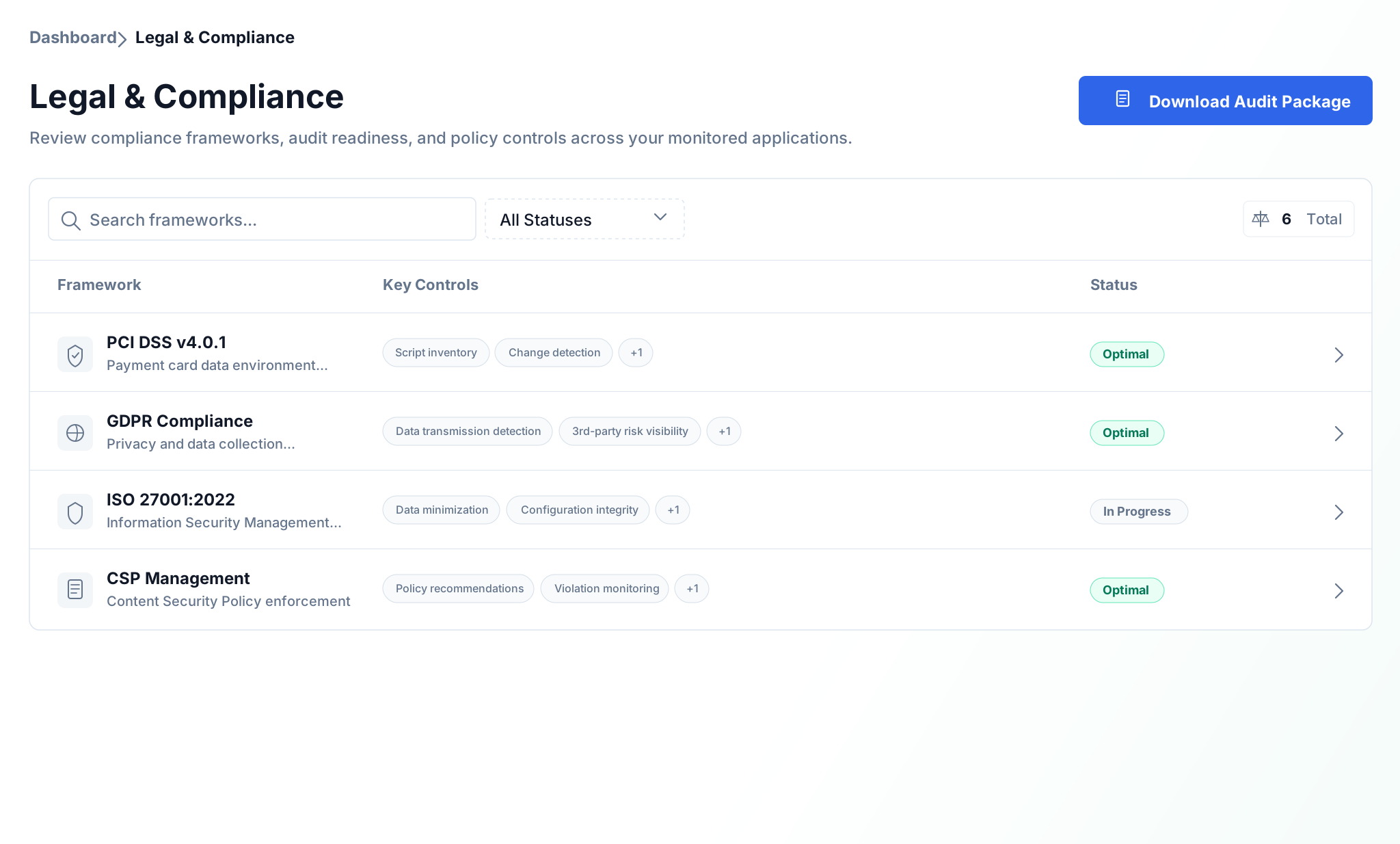
Client-side compliance reporting brings observed scripts, authorization records, findings and configured controls into a reviewable report. Use it to support PCI DSS, GDPR and ISO 27001 work alongside your organization's wider evidence and assessment processes.

Our approach
Connect captured browser activity with deliberate decisions and supporting records.
Identify scripts and providers captured on monitored pages.
Review authorization, business justification and vendor assessment status.
Inspect supported policy and monitoring context alongside findings.
Framework context
Explore browser-side records in the context of the framework your team is reviewing.
Support payment-page script management and change-detection reviews.
Bring observed browser activity into privacy and data-flow reviews.
Contribute browser-side records to the organization's ISMS.
Review new observations alongside existing decisions as the monitored website changes.
Inspect supported resources and browser activity captured by monitoring.
Review observed changes and findings in the configured monitoring scope.
Keep authorization, vendor assessment and current status available for review.
Inspect observed destinations alongside configured network boundaries.

Browser observations
cellwall.io
Review context
Recorded
Script updated
Event recorded
Example event
New browser observations give reviewers context to revisit a resource, finding or configured policy.
Investigate new resources and supported behavior changes in captured activity.
Review findings and decide whether supported controls or organizational records need updating.
Prepare available technical records for internal review and assessor conversations.

Review observed scripts alongside recorded authorization and business justification.
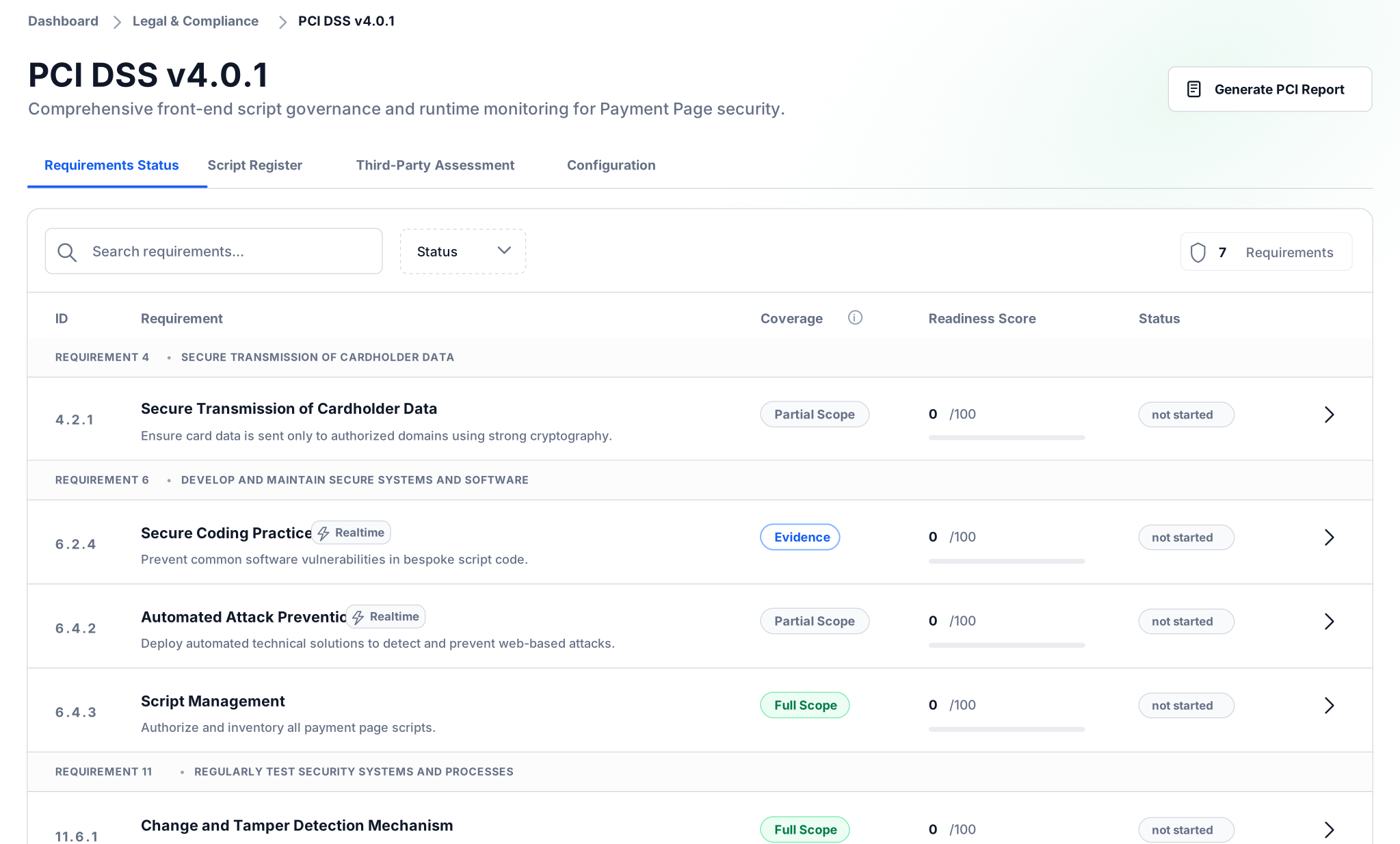
Generate PCI, GDPR or ISO reports from the selected project's available records.
Bring monitoring observations and configured policy status into the review.
Example PCI report workflow. Results depend on configured scope and available observations.
Review workflow
Use browser records as input to the organization's wider review process.
Review authorization and justification with the observed payment-page inventory.
Compare observed browser activity with privacy records maintained by your organization.
Use browser monitoring and policy context within the wider ISMS.
Evidence mapping
These are browser-side contributions, not complete requirement or framework coverage.
| PCI DSS v4.0.1 | 6.4.3Payment-page script management | Inventory, authorization and business justification |
| PCI DSS v4.0.1 | 11.6.1Payment-page change detection | Configured scope, observations and findings |
| GDPR | Privacy reviewBrowser-side data governance | Provider, destination and runtime context |
| ISO/IEC 27001:2022 | Asset reviewClient-side software assets | Observed resource and provider inventory |
| ISO/IEC 27001:2022 | Control reviewBrowser monitoring and configuration | Policies, findings and supporting observations |
Content reviewed: 5 September 2026
Reporting questions
It organizes observed browser resources, recorded decisions, findings and configured controls into supporting technical evidence.
The platform provides project-level PCI, GDPR and ISO PDF report downloads based on available records.
No. Scope, implementation, organizational processes and qualified assessment remain necessary. Browser evidence covers only part of that work.
Observed activity informs review. Teams configure supported policies and record decisions; a report does not determine legal bases or automatically establish compliance.
Apply your organization's retention, access and evidence-handling requirements to downloaded reports and supporting records.
Check monitored scope, available observations and current decisions, then combine the export with organizational records and the assessor's evidence requirements.
Explore the reporting workflow or discuss the evidence your team needs.
Browser-side evidence supports review. It does not certify compliance or replace legal advice or an organization's wider controls.