Technical Analysis: The Laravel-Lang 'Ghost Tag' Supply Chain Attack
By CellWall team | Published May 25, 2026 | Application Security | 3 min read
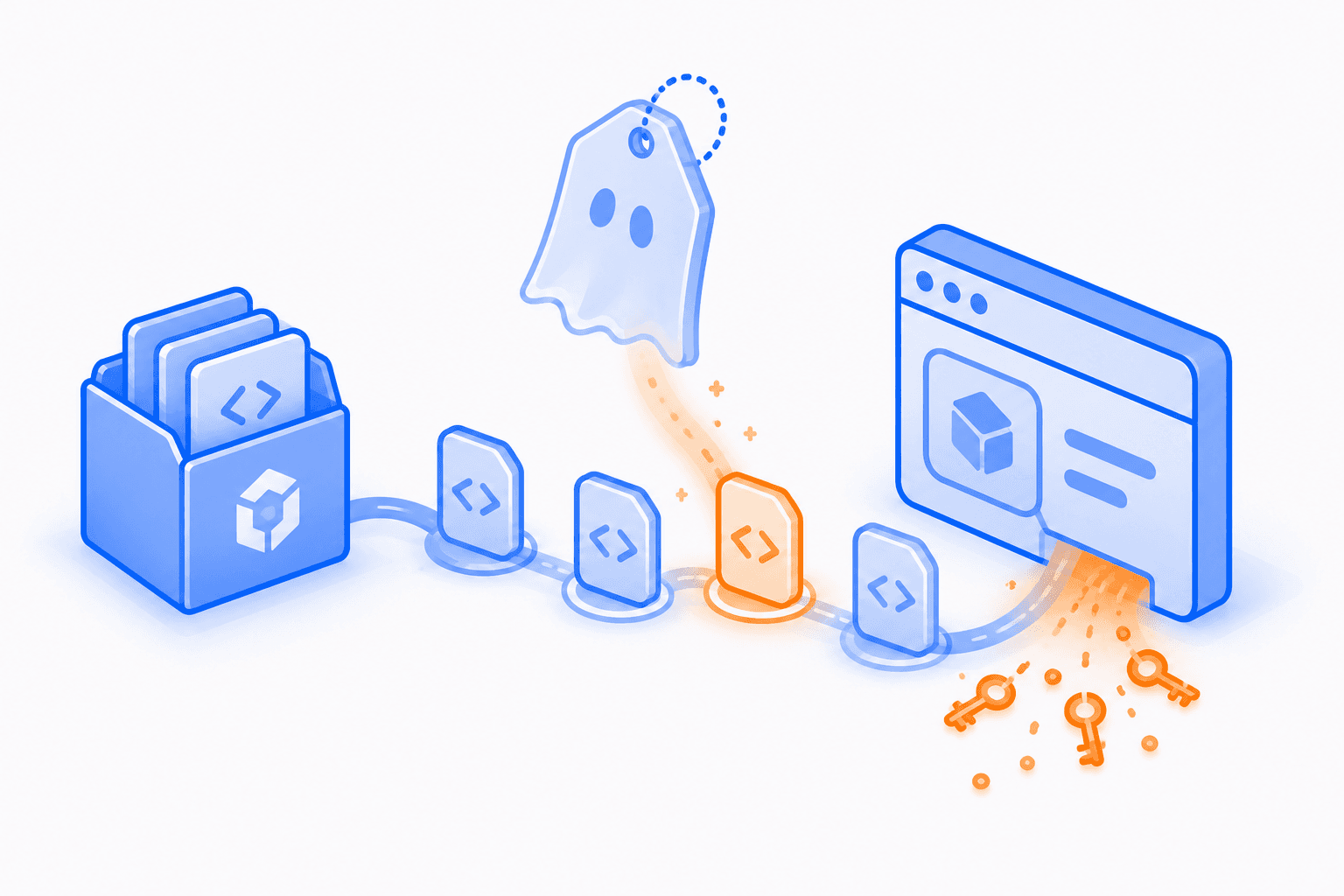
On May 22, 2026, the Laravel-Lang GitHub organization was targeted in a sophisticated supply chain attack. Unlike client-side attacks that execute in a visitor's browser, this incident involved a server-side package ecosystem. It utilized "Ghost Injection" via GitHub tag manipulation to distribute a credential-stealing framework rather than relying on malicious pull requests or direct commits to a primary branch. This incident is part of the broader "Mini Shai-Hulud" campaign identified by Wiz Research.
Affected Packages
The attack compromised the release process for several major repositories. Attackers manipulated 233 version tags, effectively poisoning over 700 historical versions.
| Repository | Impact Description |
|---|---|
| Main localization repository containing core language strings. |
| Translation files for HTTP status codes and headers. |
| Localized validation attributes and field names. |
| Translations for common Laravel application actions. |
Chain of Events
| Time (UTC) | Phase | Event Detail |
|---|---|---|
May 22, 23:41 | Initial Access | Attackers gain access to organization-level credentials or automation tokens. |
May 22, 23:45 | Tag Rewriting | Automated script updates tags to point to a malicious fork hosted on an attacker-controlled account. |
May 22, 23:55 | Payload Injection | Malicious |
May 23, 01:00 | Execution | Users running |
May 23, 08:30 | Detection | |
May 23, 10:15 | Containment | Packagist unlists packages; maintainers delete malicious tags and rotate secrets. |
Technical Payload Analysis
The attack followed a two-stage delivery model, starting with a lightweight dropper followed by a full-featured exfiltration engine.
Stage 1: The Dropper & Fingerprinting
Host Fingerprinting: Generates a unique ID based on architecture, hostname, and path.
Persistence: Creates a
.lockfile in/tmp/to prevent redundant stage-2 downloads.Callback: Initiates encrypted connection to
flipboxstudio[.]infoC2 server.
Stage 2: The 'Mini Shai-Hulud' Stealer
The second stage consists of a ~5,900 line PHP script with specialized modules for data theft:
| Target Category | Specific Assets Stolen |
|---|---|
Cloud Providers | AWS, GCP, Azure, DigitalOcean, Vercel, and Netlify tokens. |
Infrastructure | Kubernetes config files, Docker tokens, and HashiCorp Vault secrets. |
Developer Credentials | SSH private keys, |
Local Storage | Saved passwords and cookies from 17 Chromium-based browsers. |
Indicators of Compromise (IOCs)
| Type | Indicator / Value |
|---|---|
C2 Domain |
|
File Pattern |
|
System Artifact |
|
Network | Outbound HTTP/S traffic to non-standard ports on the C2 IP. |
Remediation Steps
Credential Rotation: Rotate all secrets (AWS, DB, API) reachable from affected environments.
Lock File Audit: Verify
composer.lockhashes against known-good commits from the official organization.Cleanup: Delete the vendor directory and run
composer installfrom a clean state.Rebuild: Re-deploy cloud instances and CI/CD runners if the malicious code was executed.
Defend Your Supply Chain
This incident required package and environment remediation. For the distinct browser-facing layer, CellWall SiteWall supports browser supply chain risk management by monitoring third-party script behavior in real time, blocking unauthorized data exfiltration, and detecting malicious runtime modifications before they reach your customers.

Continue exploring
Read the practical guides that clarify the surrounding risks, controls, and evidence.